Jumat, 27 Maret 2009

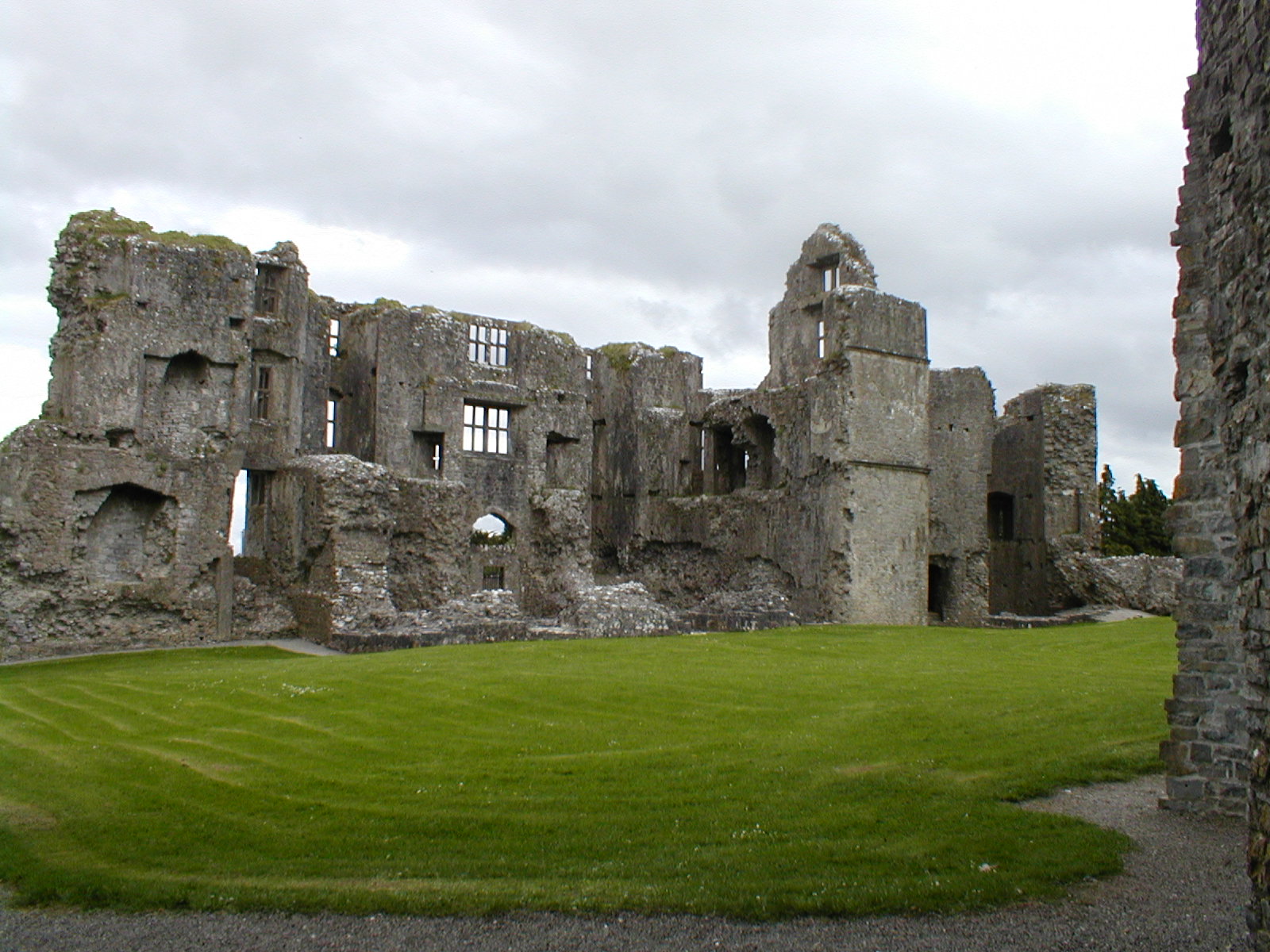
Roscommon Castle


Roscommon Castle Picture
Surrounded by unspoiled nature with beautiful mountains, moors and lakes, this gentle county is ideal for laid-back breaks, and the spectacular Lough Key Forest Park is one of Ireland’s top lakeside attractions with more that 350 hectares of beautiful scenery.

Roscommon’s historical attractions are dotted throughout the county, too, with the wonderful Boyle Abbey and Strokestown Park House. Discover a different side to the West.

Padre Burgos Castle Resort


Padre Burgos Castle Resort
Beautiful, small resort situated in the scuba diving and snorkelling paradise of Sogod Bay, Southern Leyte providing extremely spacious and well equipped accommodation for couples, families and groups of up to 10 people in 5 luxurious, double en-suite bedrooms. Facilities include swimming pool, private beach, bar, restaurant, lounge, internet access. Half board packages comprise full cooked breakfast, afternoon tea and sumptuous 4 course dinners. Bed and breakfast and room only options are also available.

Kamis, 26 Maret 2009

Beautiful Castle in Batangas


I decided to post again this beautiful view of "Fantasy World" and fantastic architecture of the castle. I always see this scenery whenever we go in Taal, Batangas. I dont know how much is the entrance fee here today but anyone can drop by beside the highway to take photos and feel the cold and fresh air. The back of this is the Taal lake where the Taal Volcano was situated.

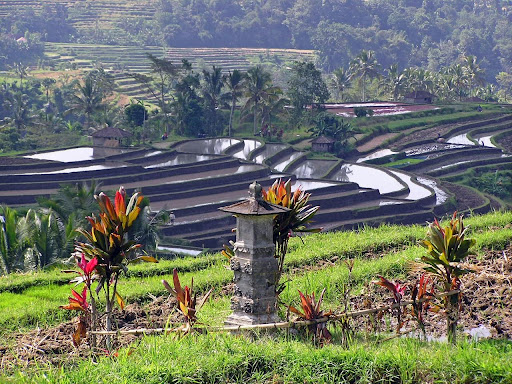
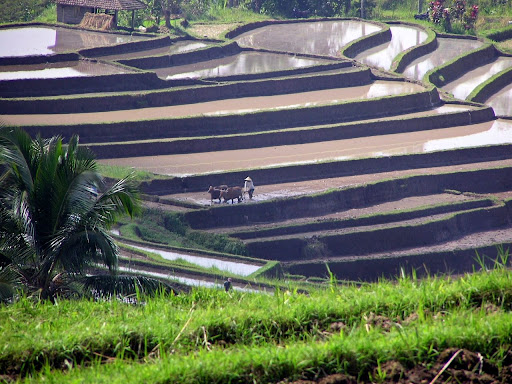
Jatih Luwih of Rice Field


Jatih Luwih of Rice Field

Minggu, 22 Maret 2009

Terasering in Indonesia Gallery


Terasering in Indonesia Gallery

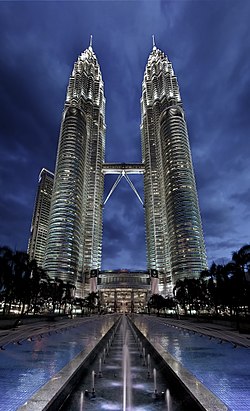
Twin Petronas Tower in Kuala Lumpur


Twin Petronas Tower in Kuala Lumpur
The Petronas Twin Towers (also known as the Petronas Towers or just Twin Towers), in Kuala Lumpur, Malaysia are twin towers and were the world's tallest buildings, before being surpassed by Taipei 101. However, the towers are still the tallest twin buildings in the world. They were the world's tallest buildings from 1998 to 2004 if measured from the level of the main entrance to the structural top, the original height reference used by the US-based Council on Tall Buildings and Urban Habitat from 1969 (three additional height categories were introduced as the tower neared completion in 1996).Designed by Argentine-American architect César Pelli, the Petronas Towers were completed in 1998 and became the tallest buildings in the world on the date of completion. They were built on the site of Kuala Lumpur's race track. Because of the depth of the bedrock, the buildings were built on the world's deepest foundations. The 120-meter foundations were built by Bachy Soletanche, and required massive amounts of concrete.

The 88-floor towers are constructed largely of reinforced concrete, with a steel and glass facade designed to resemble motifs found in Islamic art, a reflection of Malaysia's Muslim religion. Another Islamic influence on the design is that the cross-section of the towers is based on a Rub el Hizb (albeit with circular sectors added to meet office space requirements).

Due to a lack of steel and the huge cost of importing steel, the towers were constructed on a cheaper radical design of super high-strength reinforced concrete. High-strength concrete is a material familiar to Asian contractors and twice as effective as steel in sway reduction; however, it makes the building twice as heavy on its foundation than a comparable steel building. Supported by 23-by-23 meter concrete cores and an outer ring of widely-spaced super columns, the towers use a sophisticated structural system that accommodates its slender profile and provides from 1300 to 2000 square metres of column-free office space per floor.Below the twin towers is Suria KLCC, a shopping mall, and Dewan Filharmonik Petronas, the home of the Malaysian Philharmonic Orchestra.

Other buildings have used spires to increase their height but have always been taller overall to the pinnacle when trying to claim the title. In the aftermath of the controversy, the rules governing official titles were partially overhauled, and a number of buildings re-classified structural antenna as architectural details to boost their height rating (even though nothing was actually done to the building).
By : Wikipedia.com

Borobudur Temple Taravel Gallery


Borobudur Temple Taravel Gallery
Borobudur is a ninth-century Mahayana Buddhist monument in Magelang, Central Java, Indonesia. The monument comprises six square platforms topped by three circular platforms, and is decorated with 2,672 relief panels and 504 Buddha statues.[1] A main dome, located at the center of the top platform, is surrounded by 72 Buddha statues seated inside perforated stupa.

The monument is both a shrine to the Lord Buddha and a place for Buddhist pilgrimage. The journey for pilgrims begins at the base of the monument and follows a path circumambulating the monument while ascending to the top through the three levels of Buddhist cosmology, namely Kāmadhātu (the world of desire), Rupadhatu (the world of forms) and Arupadhatu (the world of formlessness). During the journey the monument guides the pilgrims through a system of stairways and corridors with 1,460 narrative relief panels on the wall and the balustrades.

Evidence suggests Borobudur was abandoned following the fourteenth century decline of Buddhist and Hindu kingdoms in Java, and the Javanese conversion to Islam.[2] Worldwide knowledge of its existence was sparked in 1814 by Sir Thomas Stamford Raffles, the then British ruler of Java, who was advised of its location by native Indonesians. Borobudur has since been preserved through several restorations. The largest restoration project was undertaken between 1975 and 1982 by the Indonesian government and UNESCO, following which the monument was listed as a UNESCO World Heritage Site.[3] Borobudur is still used for pilgrimage; once a year Buddhists in Indonesia celebrate Vesak at the monument, and Borobudur is Indonesia's single most visited tourist attraction.
Source : Wikipedia.com